OF A SOLID TELEHANDLER
TIRE
There are two primary types of telehandler tires on the market today: foam-filled telehandler tires and solid telehandler tires. Foam-filled telehandler tires are pneumatic tires injected with foam instead of air which reduces the risk of punctures and unexpected flats. While this improves durability compared to air-filled tires foam-filled telehandler tires still rely on a pneumatic casing and remain vulnerable to sidewall damage.
When sidewall damage occurs foam can be forced out of the tire leading to failure and downtime. This makes foam-filled telehandler tires less reliable in harsh job site conditions where impacts and abrasion are common.
Another major drawback of foam-filled telehandler tires is replacement cost and service complexity. Damaged foam-filled tires must be cut off the rim a labor-intensive process that requires specialized equipment and trained technicians. This results in longer machine downtime and higher service expenses on the job site.
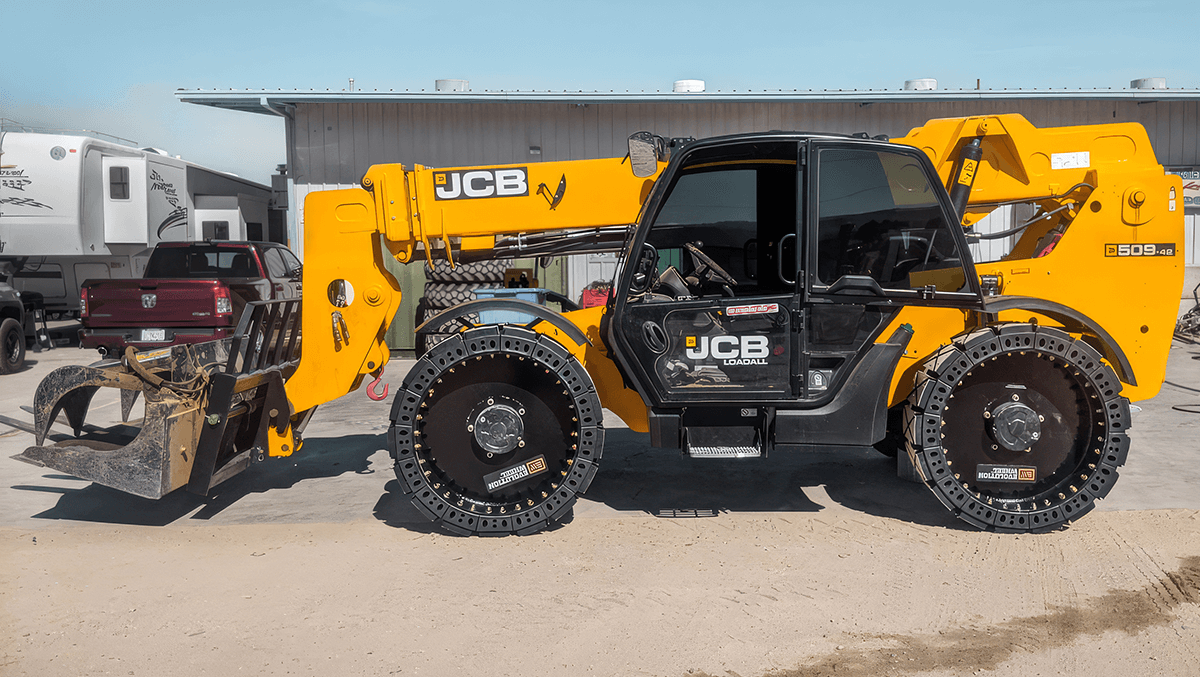
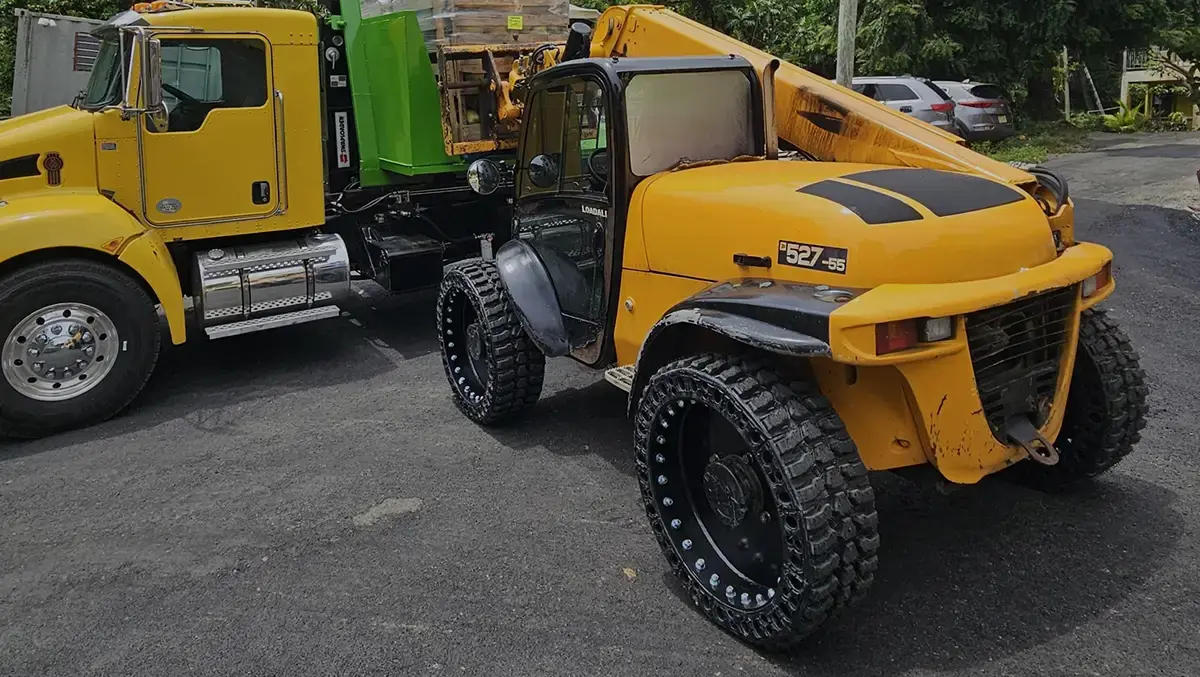
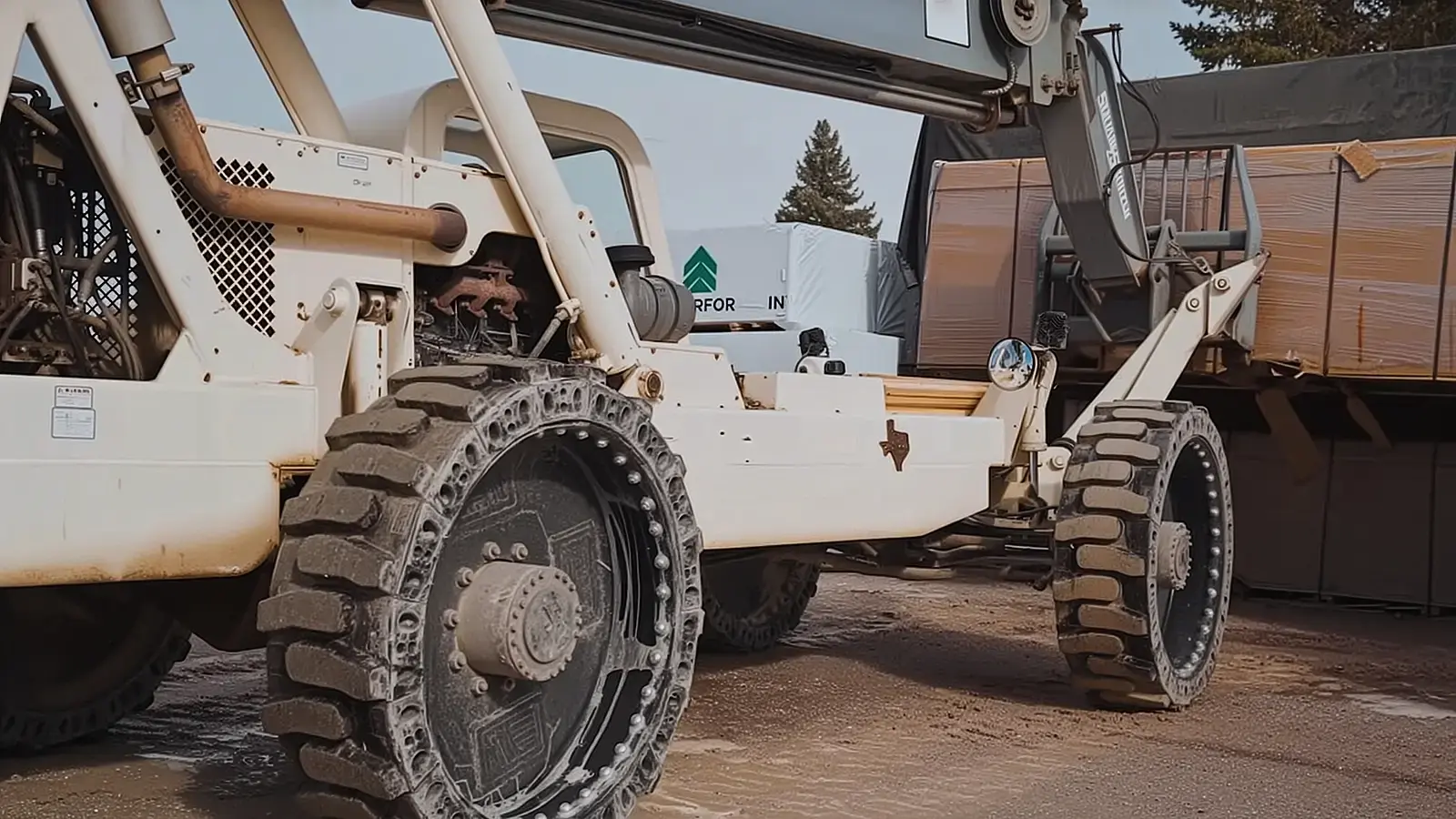
Solid telehandler tires provide a more durable and safer alternative for demanding applications. Constructed entirely from solid rubber often with built-in apertures for controlled compression these tires eliminate the risk of flats entirely. Without air or foam solid telehandler tires cannot suffer blowouts or foam loss and they are far more resistant to sidewall damage.
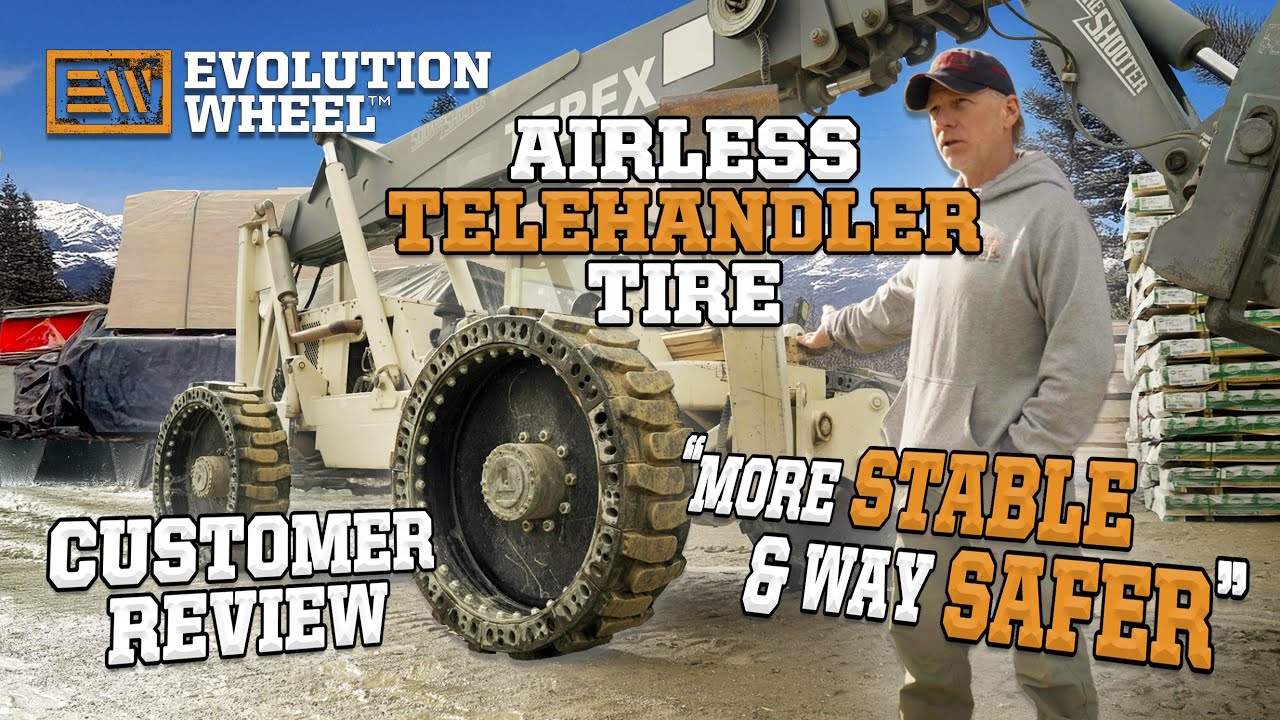
Solid telehandler tires are typically designed with deeper, wider, and taller tread patterns which significantly extends tire life compared to foam-filled options. They also deliver superior machine stability. When foam-filled telehandler tires become damaged or start losing foam they can cause excessive bouncing especially when carrying heavy loads. This instability increases safety risks.
Solid telehandler tires maintain consistent performance under load reducing bounce and improving control which makes them a safer and more dependable choice for telehandler operations.
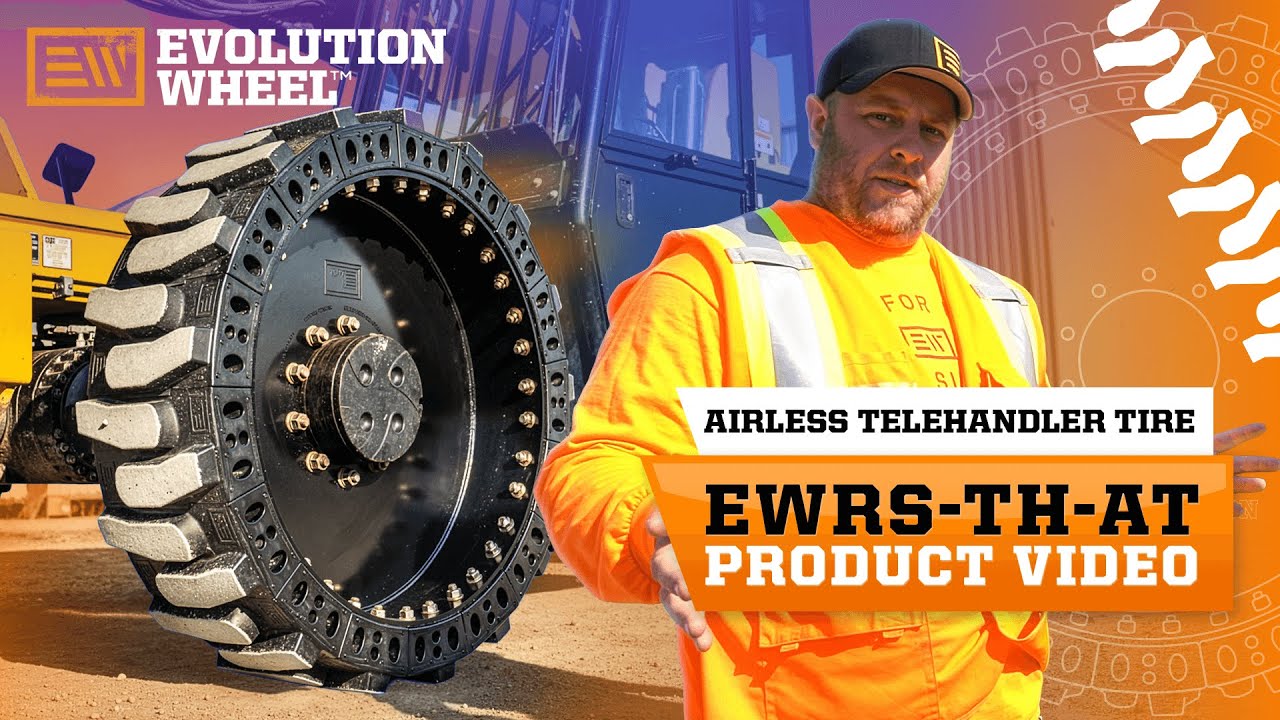
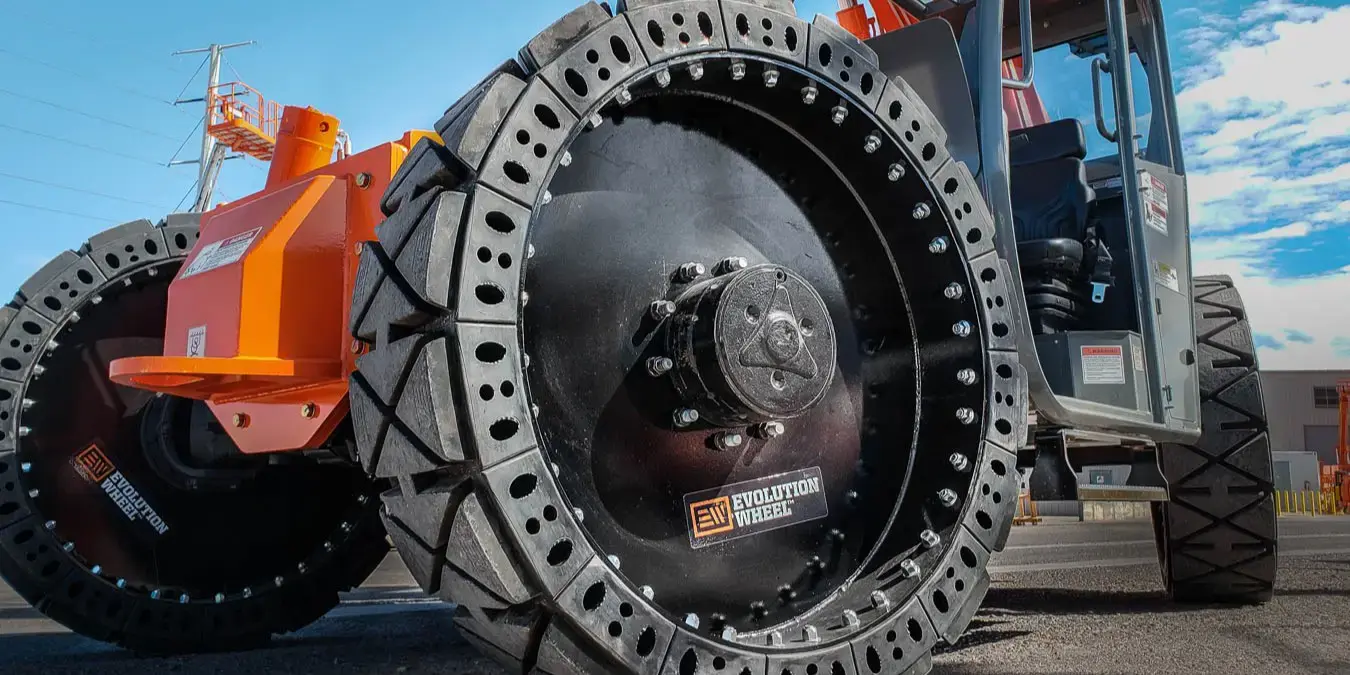
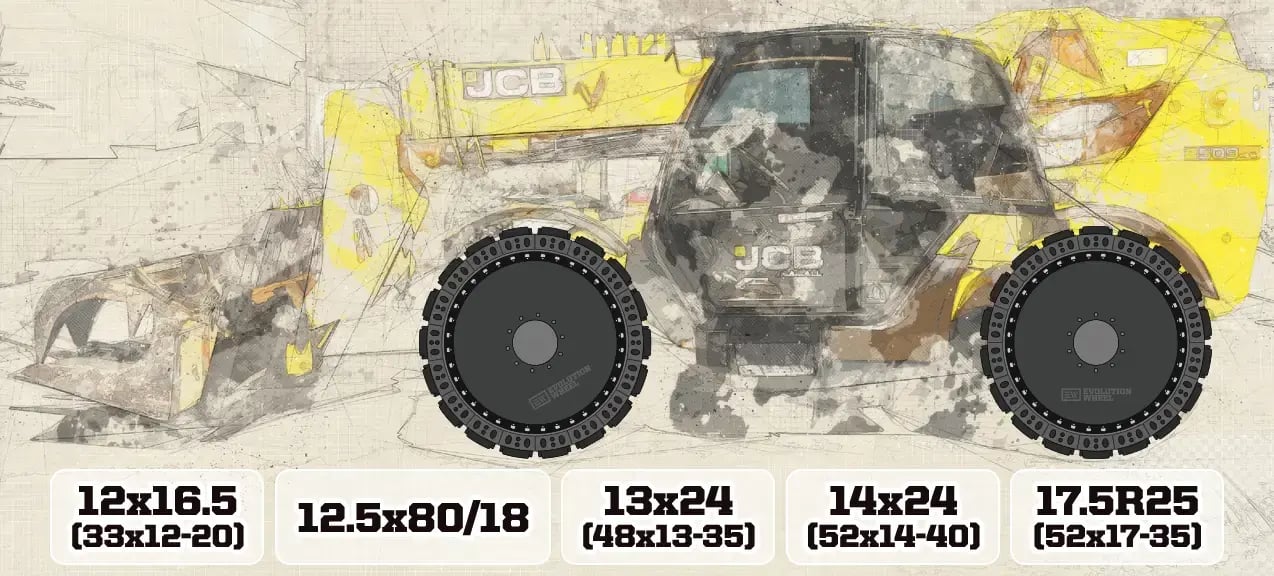
EWRS-TH Series solid telehandler tires introduce a level of serviceability not found in conventional solid tire designs. Most solid telehandler tires are press-on mounted relying on friction between the rubber and rim. Once damaged or worn these tires must be removed in a shop resulting in extended downtime.
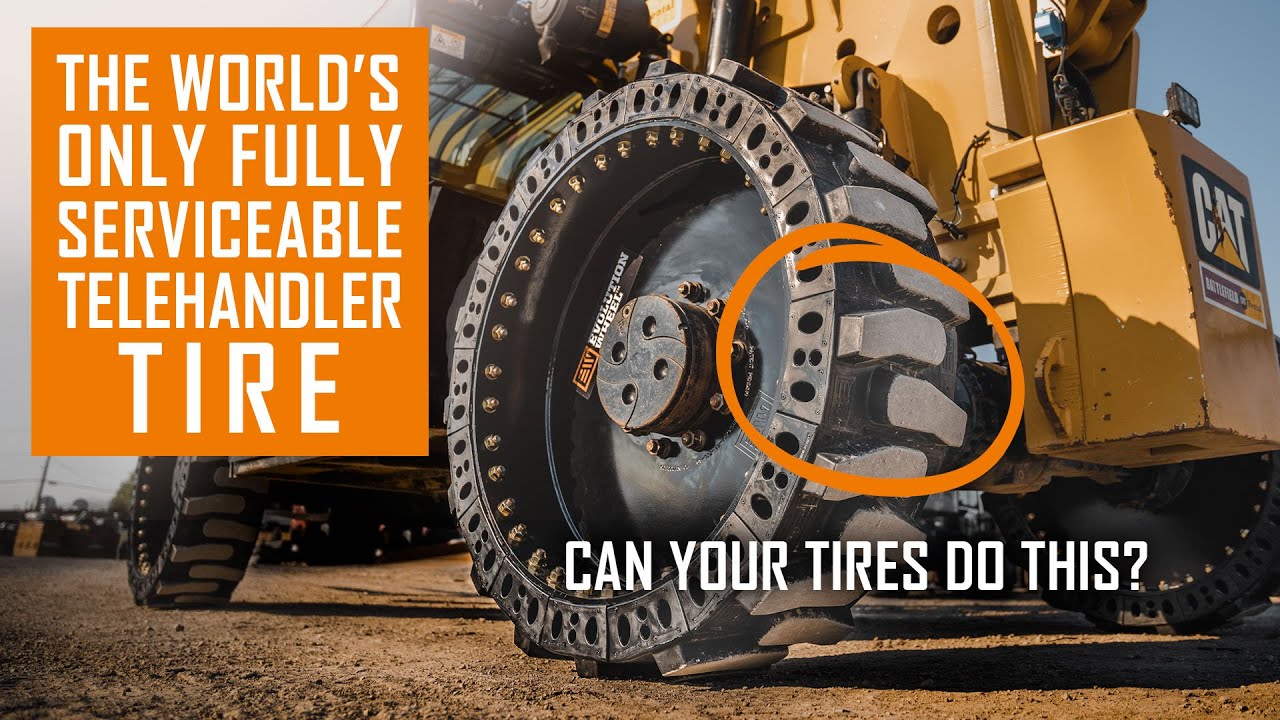
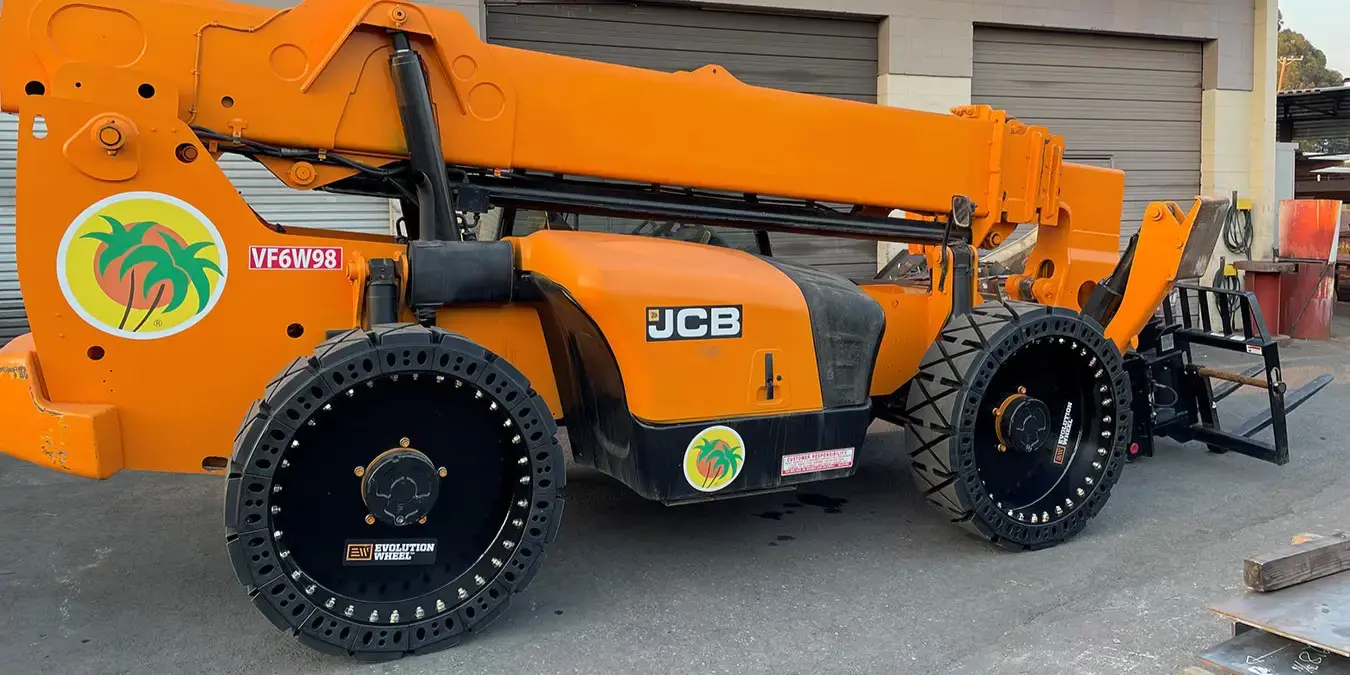
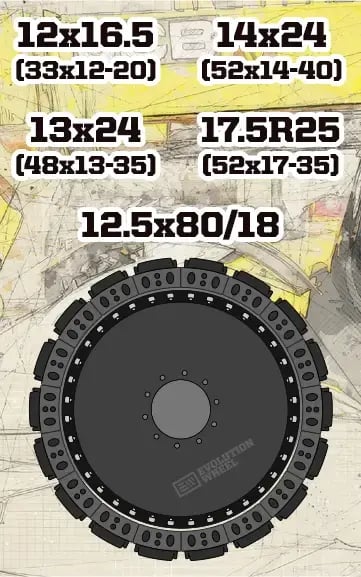
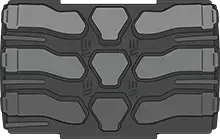
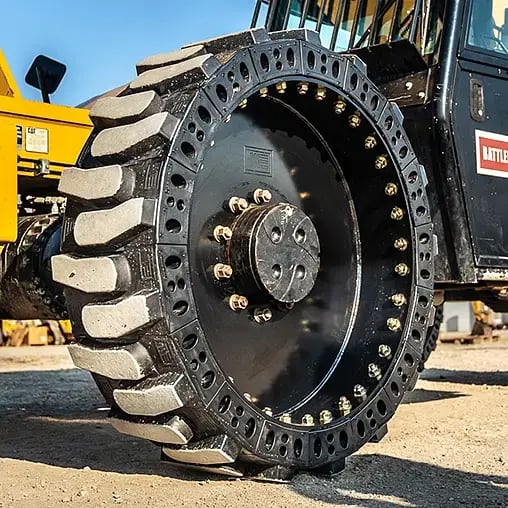
The EWRS-TH Series uses a segmented solid telehandler tire design that allows for rapid on-site repairs. Individual rubber segments are mounted to a high-strength steel rim using bolts and nuts allowing operators to replace damaged sections using basic hand tools. Only the affected segments need replacement rather than the entire tire.
This modular design dramatically reduces replacement costs and minimizes downtime. It also allows the tire to be used until the tread is fully worn avoiding premature tire replacement. When replacement is needed EWRS-TH retread kits provide a full set of new tread segments at a significantly lower cost than replacing complete tires.
While solid telehandler tires have a higher upfront cost than foam-filled options they typically last three to five times longer. With a serviceable segmented design like the EWRS-TH Series total operating costs are reduced through longer tire life, faster repairs, and minimized downtime.