The Best Tire for Your Lull Telehandler

When looking for the best telehandler tire for your Lull, there are a few things you should look for. Cost-effectiveness, safety, and performance.

Telehandler Tire Types

The cost of a tire is not limited to the initial sales price. It also includes how long they last, damage resistance, and how much downtime they create. The most cost-effective type of tire on the market is solid tires. These tires are often more expensive upfront however they eliminate downtime and last much longer.

Pneumatic Telehandler Tires

A pneumatic telehandler tire is great for light and low-risk use. The issue with pneumatic tires on a telehandler is that they are susceptible to punctures and flats. Debris and sharp objects can cause the tires to go flat which can be dangerous when operating with heavy loads. Additionally, pneumatic tires develop damage sooner than other types of tires. Causing more downtime and the tires will need to be changed more often. Adding the operation cost of your telehandler.

Foam-Filled Telehandler Tires

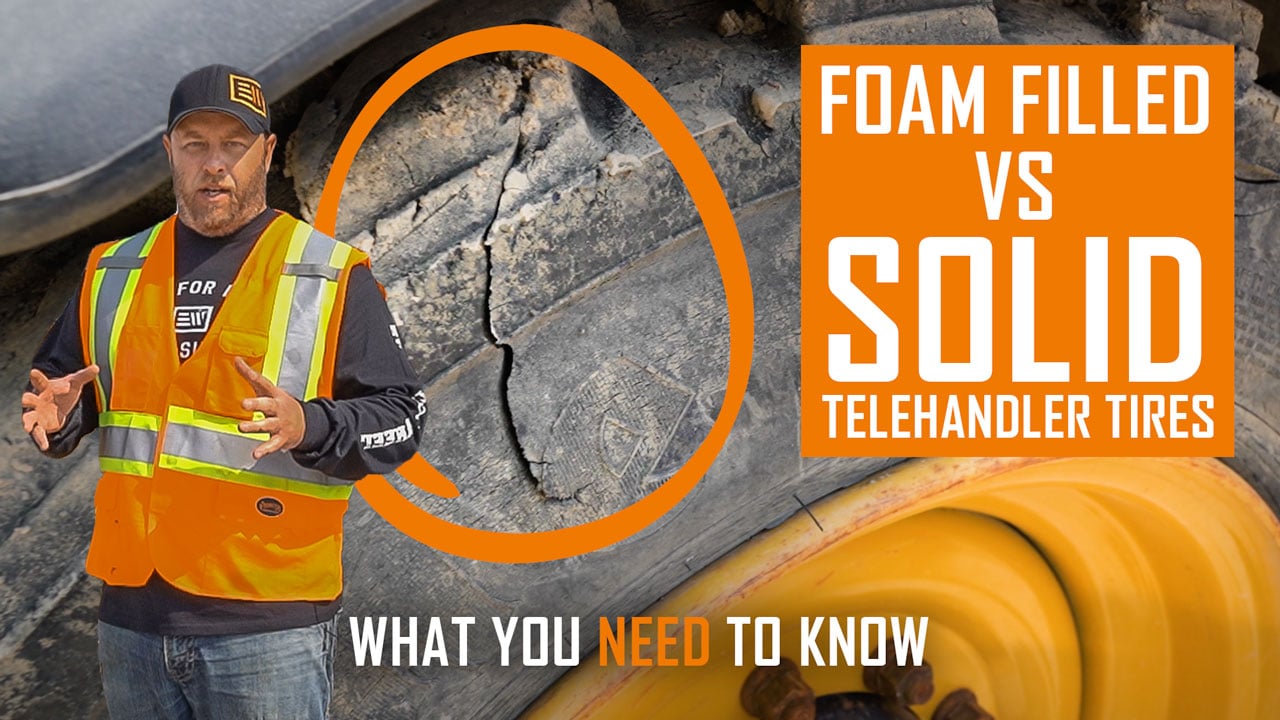
Foam-filled tires are much safer than pneumatic tires. They're able to drive over debris and shape objects without the risk of going flat. The issue is that they develop side wall damage that when severe enough, squeezes the foam out of the tire. The hobbled tire causes an uncomfortable ride for the operator and is unstable when carrying heavy loadsTo change a foam-filled tire, the rubber and foam need to be cut off the rim taking up valuable time and increasing expenses

Solid Telehandler Tires

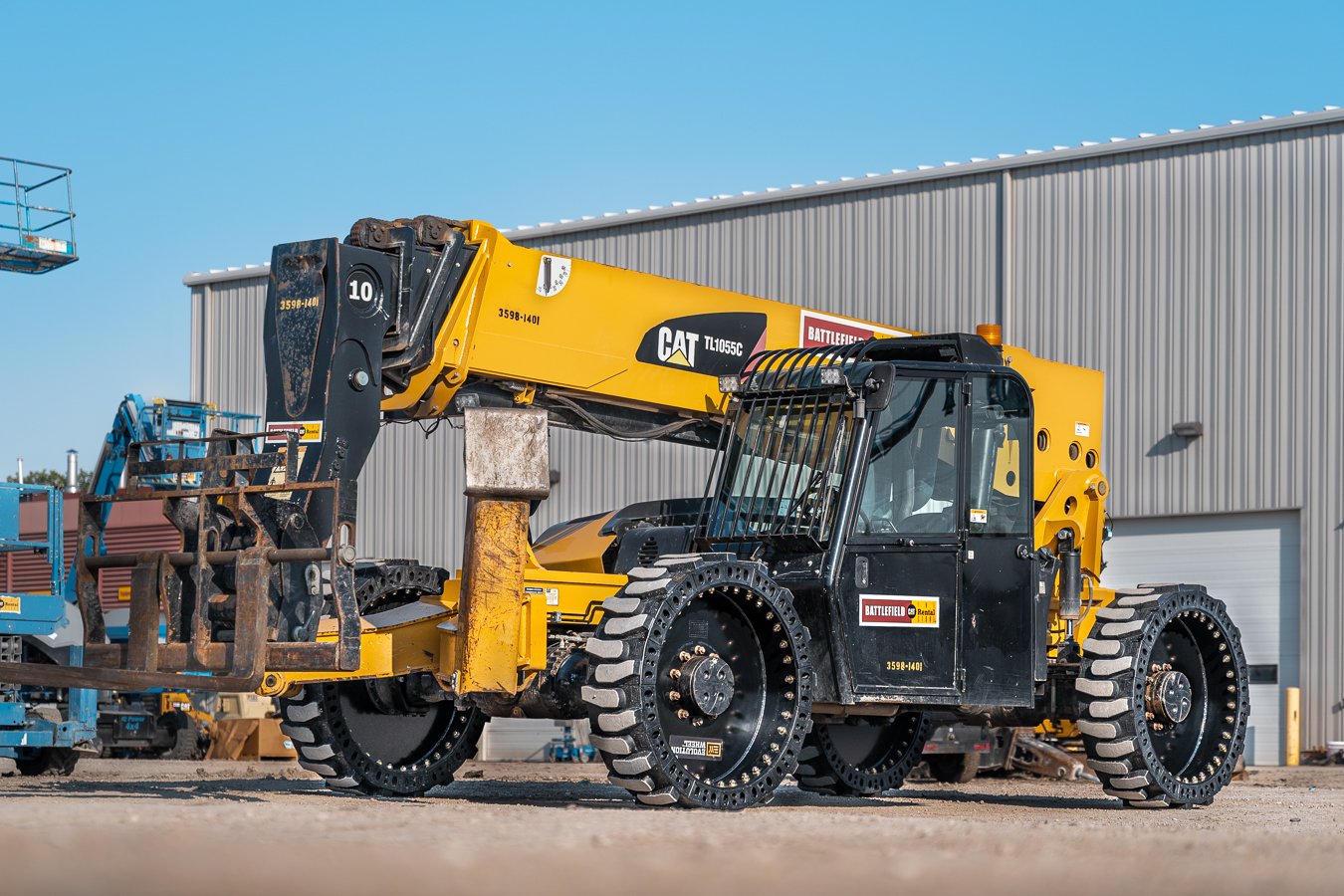
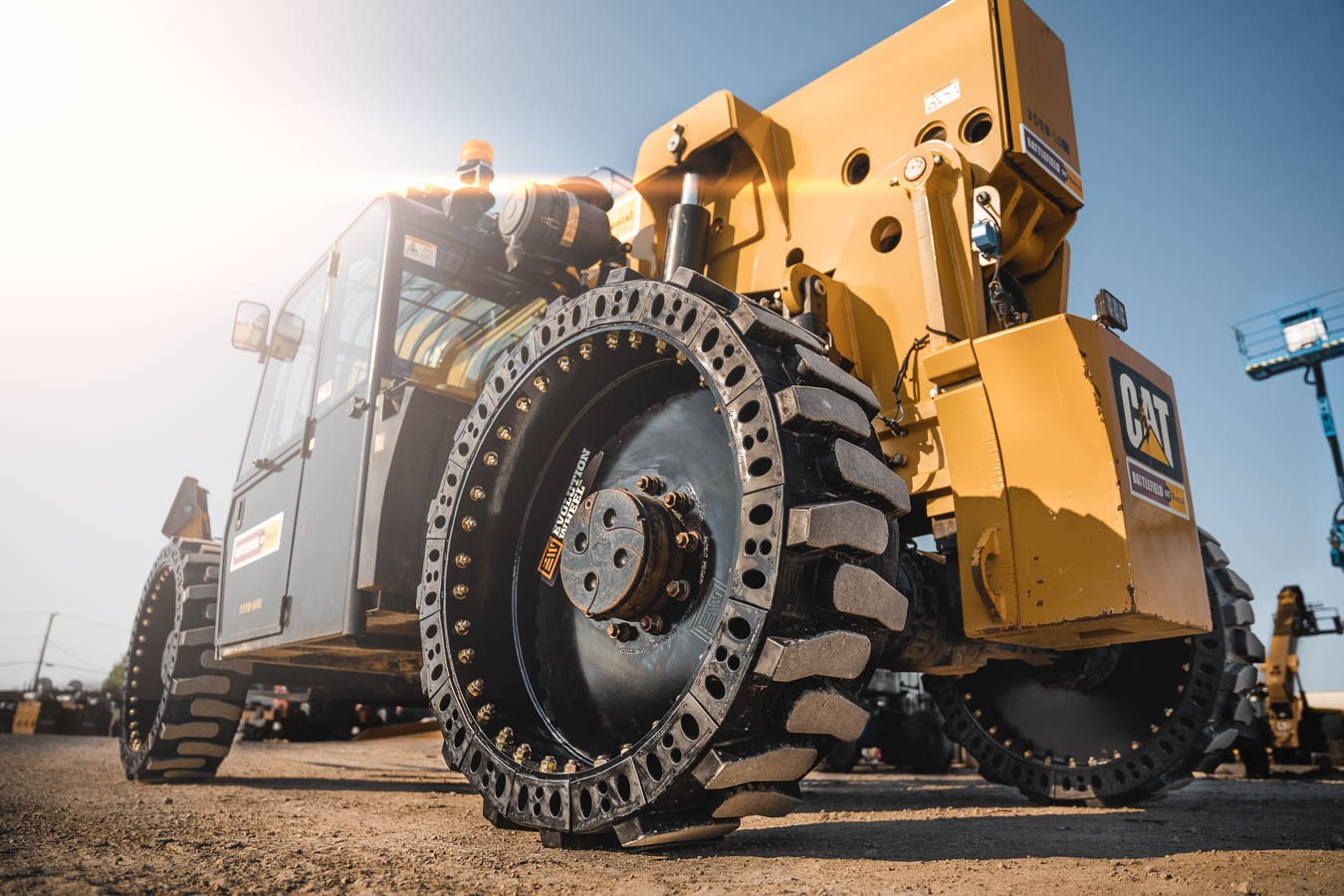
Solid telehandler tires are becoming more and more popular on Lull telehandlers now because they don’t have this issue. These tires consist of rubber, with some apertures that allow for compression. They are puncture and flat-proof and are more reliable overall than pneumatic or foam-filled tires. They cost the most upfront however will last much longer and perform better than the other two options. Solid telehandler tires consist of solid rubber with apertures. They are becoming more and more popular on Lull telehandlers due to the fact that they are more reliable and last longer than the two other types of tires. They are puncture and flat-proof making them the most reliable option for Lull operators.

The EWRS-TH Series

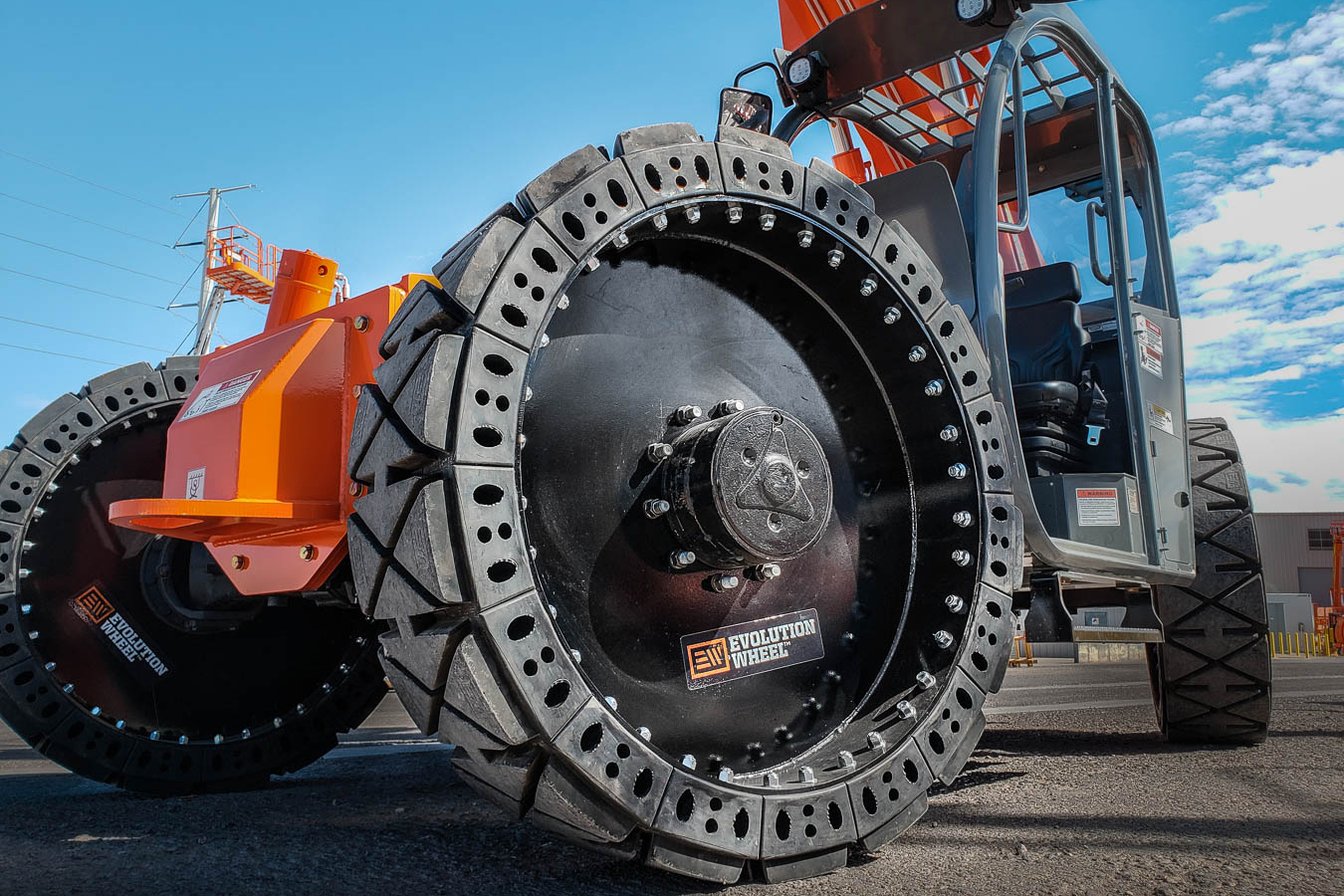
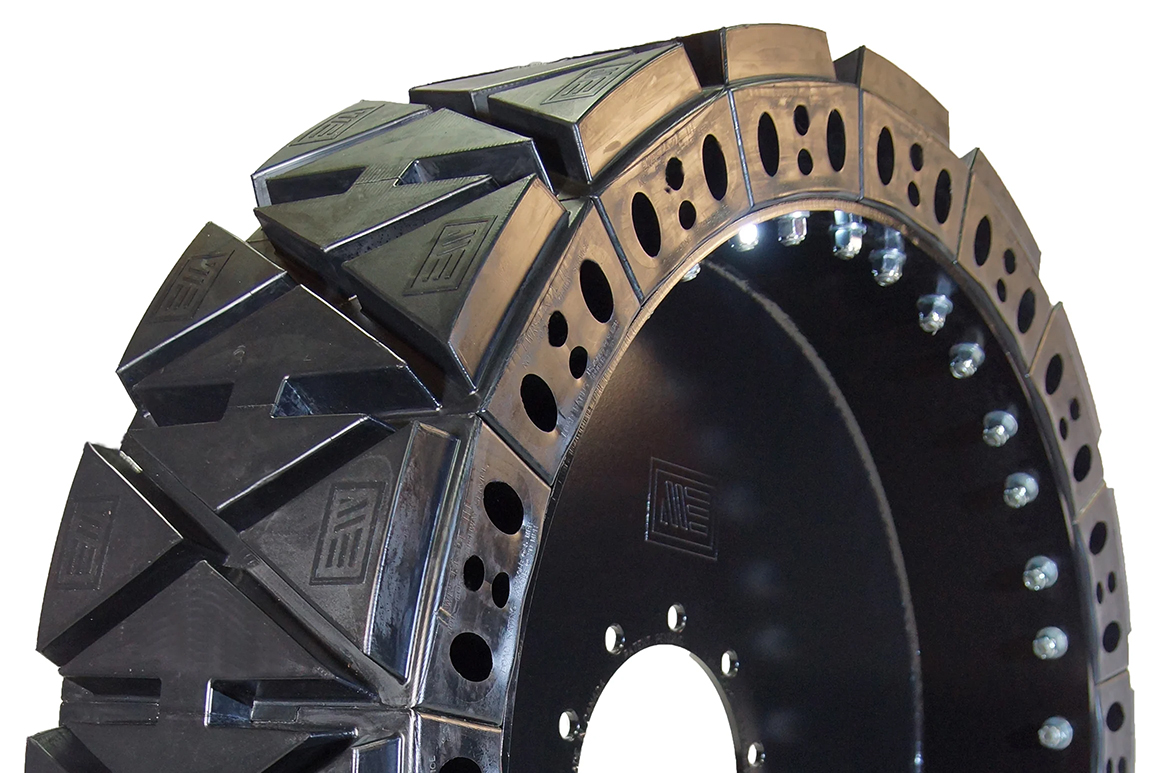
The solid telehandler tire from Evolution Wheel is a great example of a tire built to last longer and perform better than any of the competition. On top of the benefits of being a solid tire, these tires are segmented to be easily serviceable. They also feature a linear load profile as well as specially designed tread patterns.

The Segmented Design

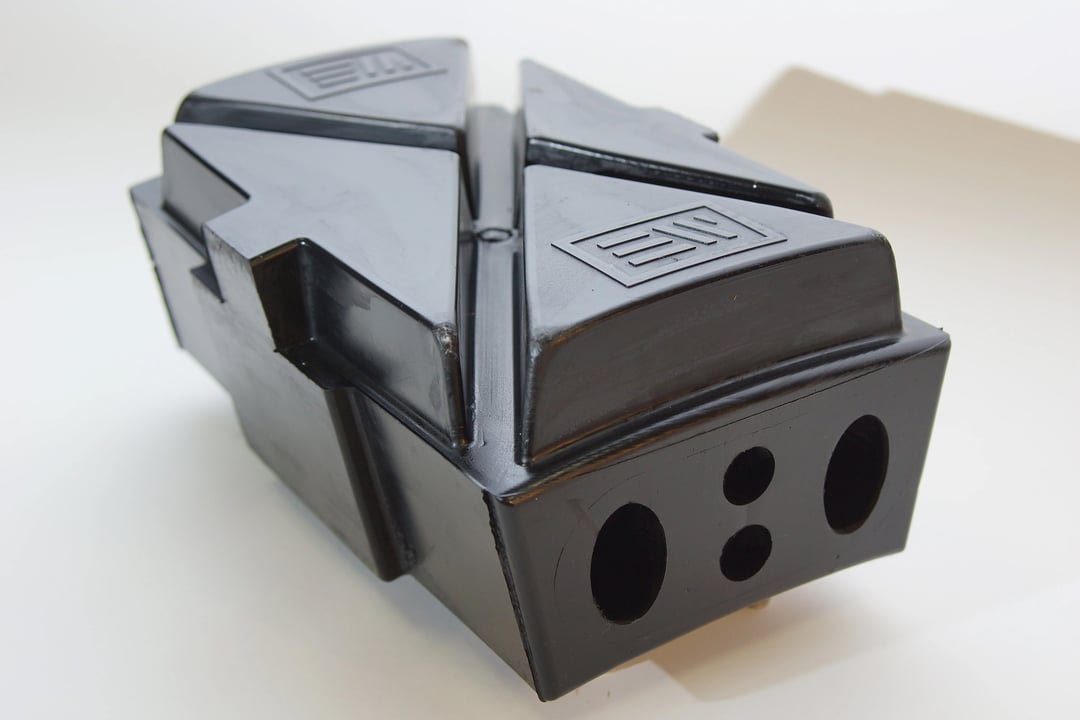
The segmented tire design allows operators to service the tire on the job site. The rubber is attached to the rim with a series of nuts and bolts that can be removed and replaced if it is damaged. If the tread is gouged or damaged in any way, the operator just replaces the segment. This takes only a few minutes instead of having to change the whole tire. Eliminating unnecessary downtime and repair costs.

When the tread is completely worn, a retread kit is available so operators can change the rubber themselves. No special equipment, technicians, or the need to remove the rim.

Linear Load Profile

The linear load profile is designed to give operators the ability to predict exactly how the tire will compress under a load. For every pound added to a load, the tires compress equally. A problem with other telehandler tires is that they start to buckle under heavy loads and operators can't predict exactly when this will happen. When it does it damages the tires and results in premature wear. With a linear load profile, this isn’t an issue.

Specialized Tread Design

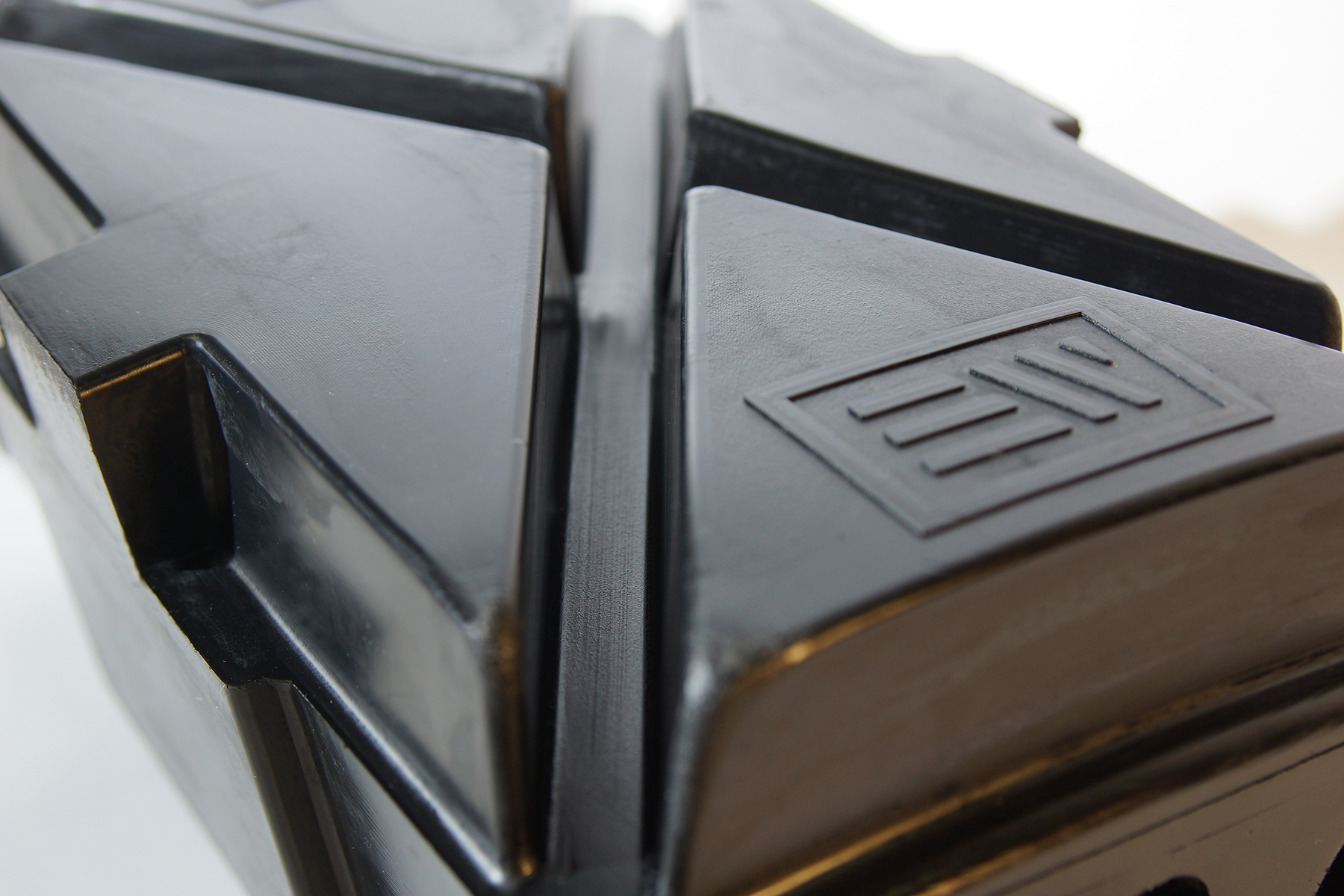
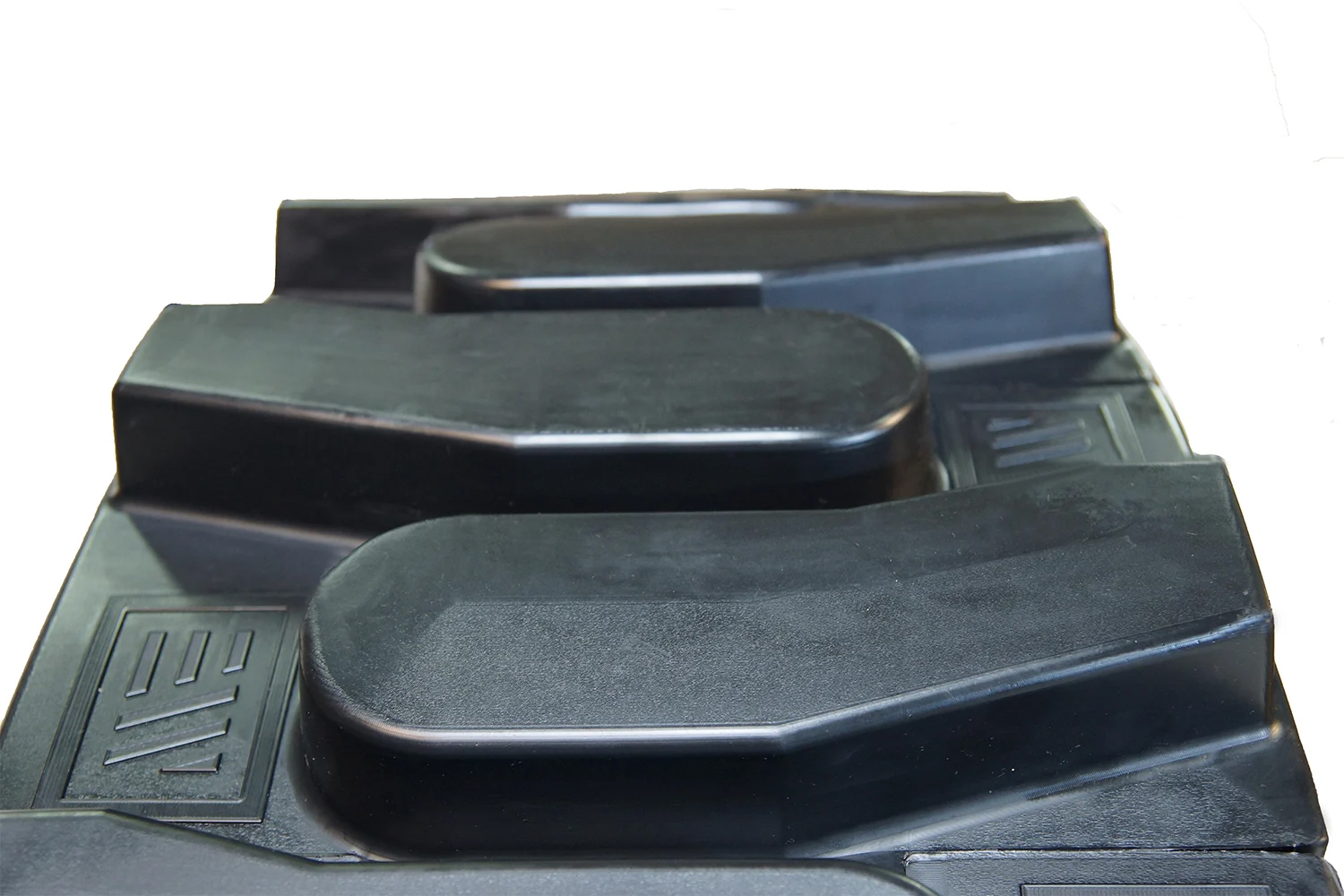
The EWRS-TH Series has two tread designs, the traditional all-terrain version, and the hard surface tread pattern. The hard surface tread pattern is designed with a large footprint lengthening the wear life of the rubber. Hard surfaces don’t require the same amount of traction as off-road applications. Increasing the surface area and decreasing the void space allows the tire to last longer. The all-terrain tread is designed to maximize traction making it ideal for muddy conditions.

Even though solid tires are more expensive up front, the cost-effectiveness, safety, and reliability they provide far exceed the competition making them an ideal option for all operators.
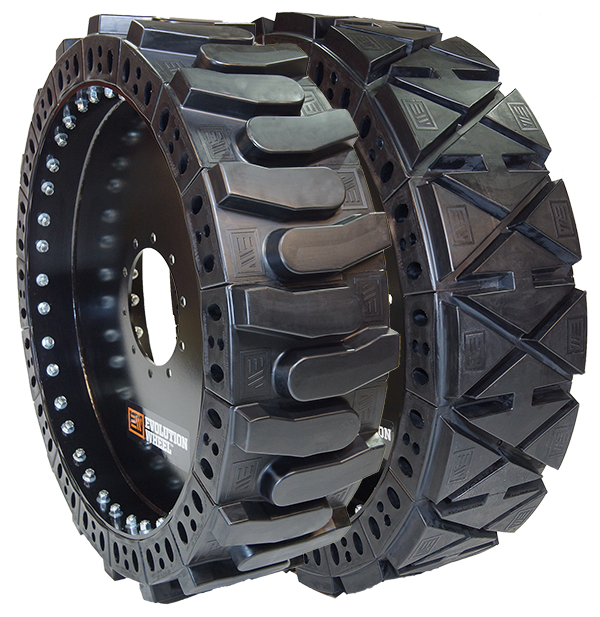
EWRS-TH Series
Play button Foam Filled Telehandler Tires VS Solid Telehandler Tires | What You Need to Know


EWRS-TH-HS Segment