
No Flat Pivot Tires vs 11.2-38 Irrigation Tire
An 11.2 x 38 irrigation tire is a common solution farmers use to deal with tire ruts. being a taller tire gives the gearbox more clearance before it starts rubbing against the ground causing damage and getting stuck. The issue with these tires is that they go flat and still cause ruts.
The EWRS-PIVOT pivot tires are no-flat tires.
Flat tires out in the field are a headache. They fill with water and mud, cause gearbox damage, and downtime on the system which can affect crop yield, not to mention the work of hauling off the filled pneumatic pivot tire off the field. Using an airless pivot tire, you eliminate the possibility of flats.
A Common Problem with airless tires is the fact that they often are too stiff which causes strain on the gearbox. The EWRS-PIVOT was designed to act as a pneumatic pivot tire. Designed with core geometry, that compresses like a pneumatic allowing the tire to flex easing the load on the driving components.
Our goal with the EWRS-PIVOT airless pivot tires is to minimize tire maintenance in the field. By eliminating flats in the field and the superior design and materials that we use to build the EWRS-PIVOT, we have achieved this. We know that farmers are extremely busy folk, and we want to minimize the time they spend on such a preventable issues as flat tires so you can spend more time on more important tasks.
The EWRS-PIVOT airless field sprinkler irrigation tire
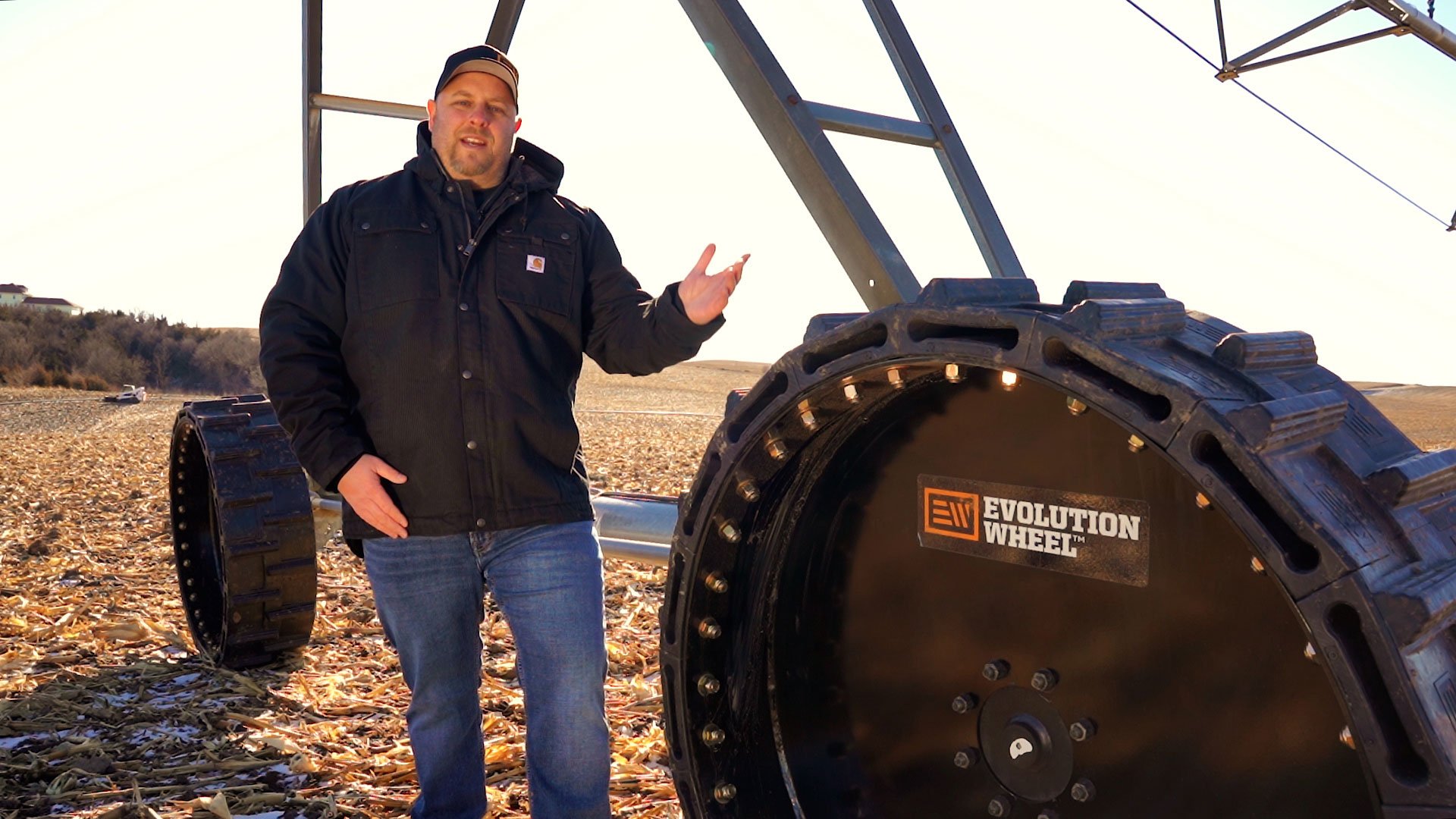
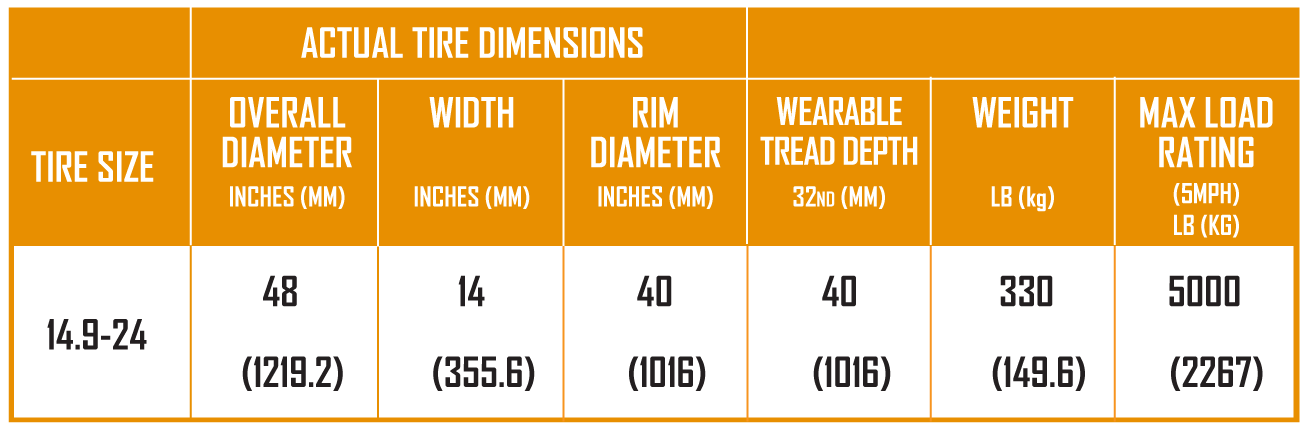
The EWRS-PIVOT airless field sprinkler irrigation tire solves all these issues. It is engineered specifically to mimic a pneumatic irrigation tires compression, a wide true to spec 14.9” x 24” profile to increase traction, and a concave profile that increases floatation while preventing rutting.
The EWRS-PIVOT has a unique core hole geometry that compresses completely when pressure is applied. This allows the tire to compress like a pneumatic mimicking its traction as well as being self-cleaning, so you don’t have to worry about added weight to the system.
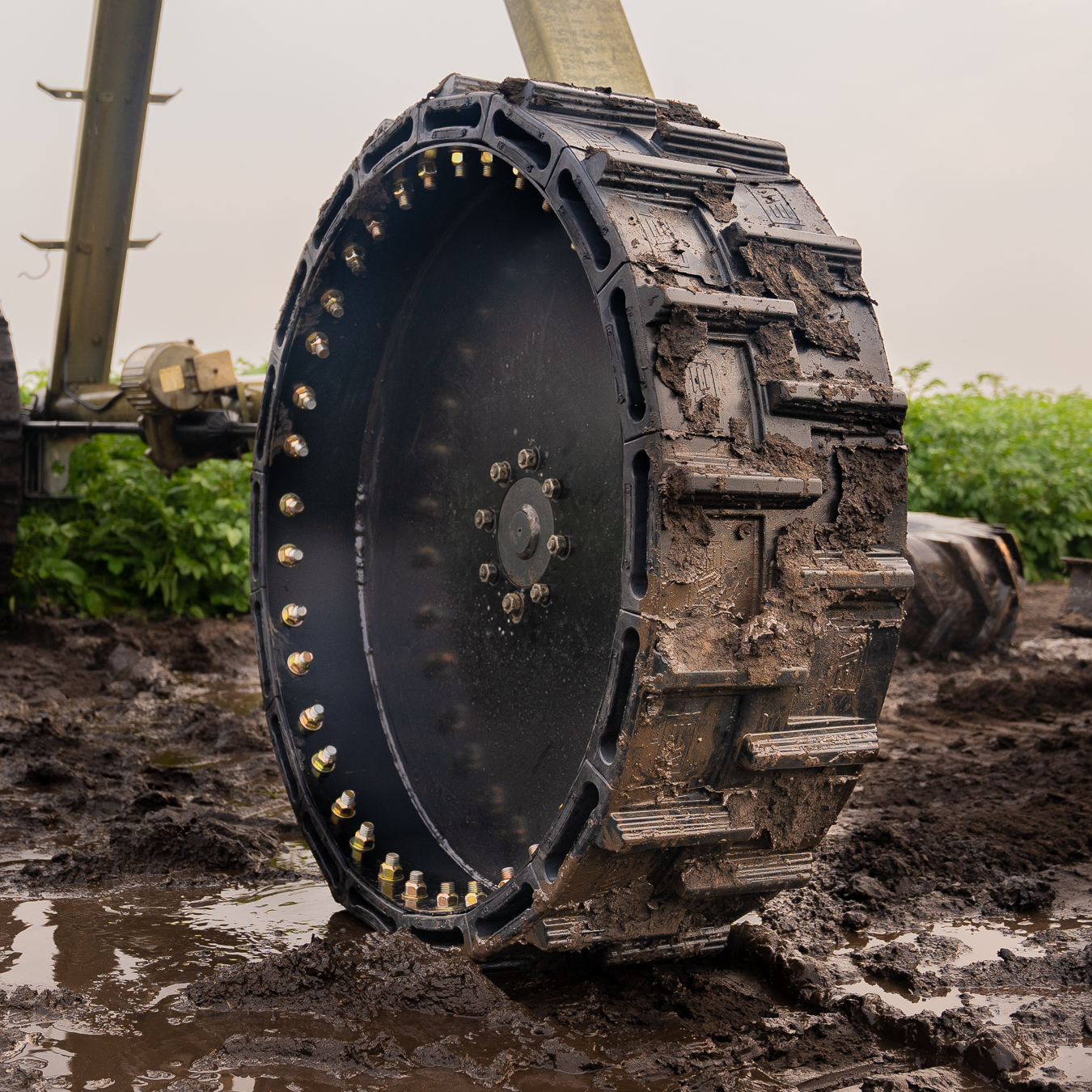
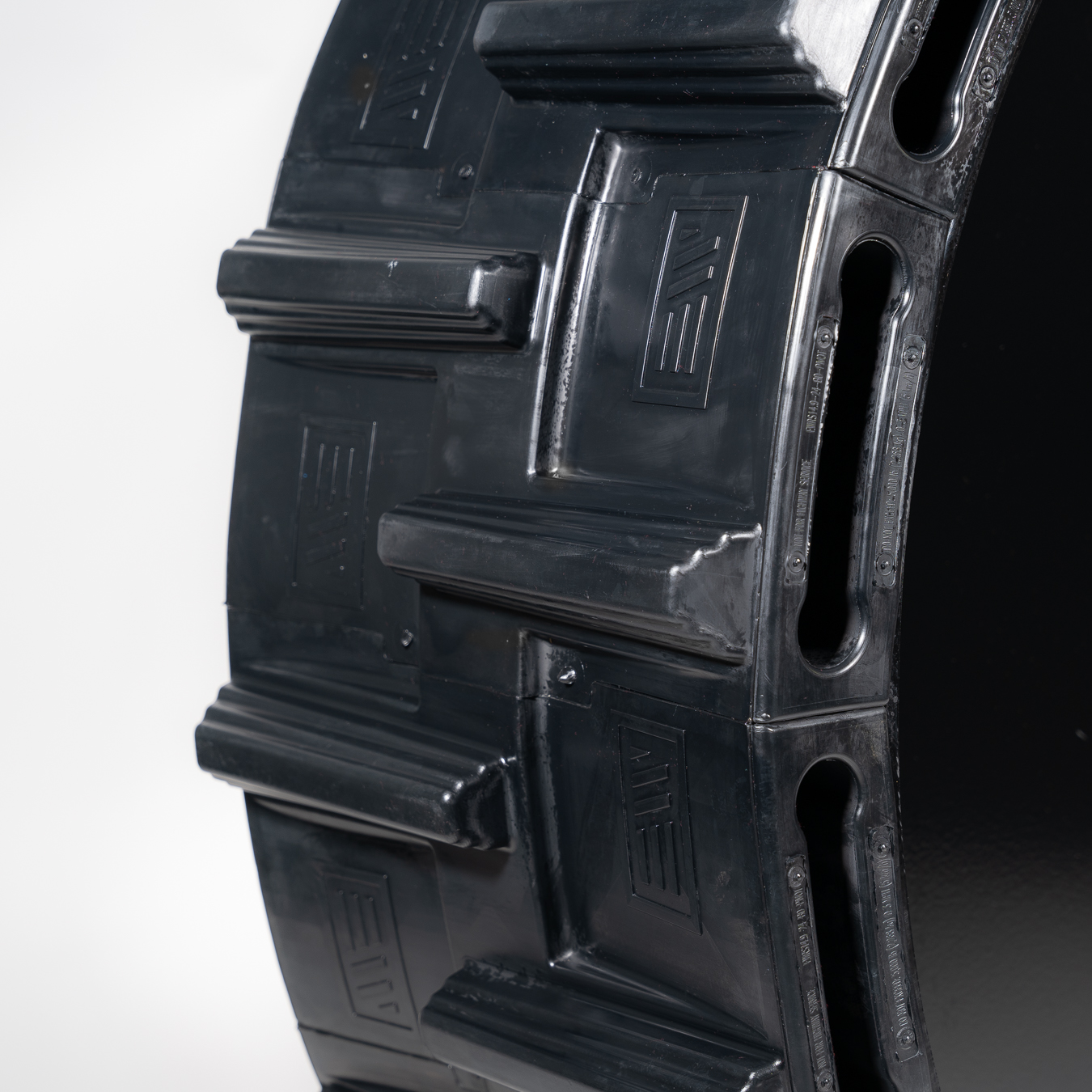
The concaved true to spec 14.9” X 24” profile keeps mud underneath the tire, spreads the weight over an increased surface area, and the aggressive tire tread pattern increases overall floatation and traction.
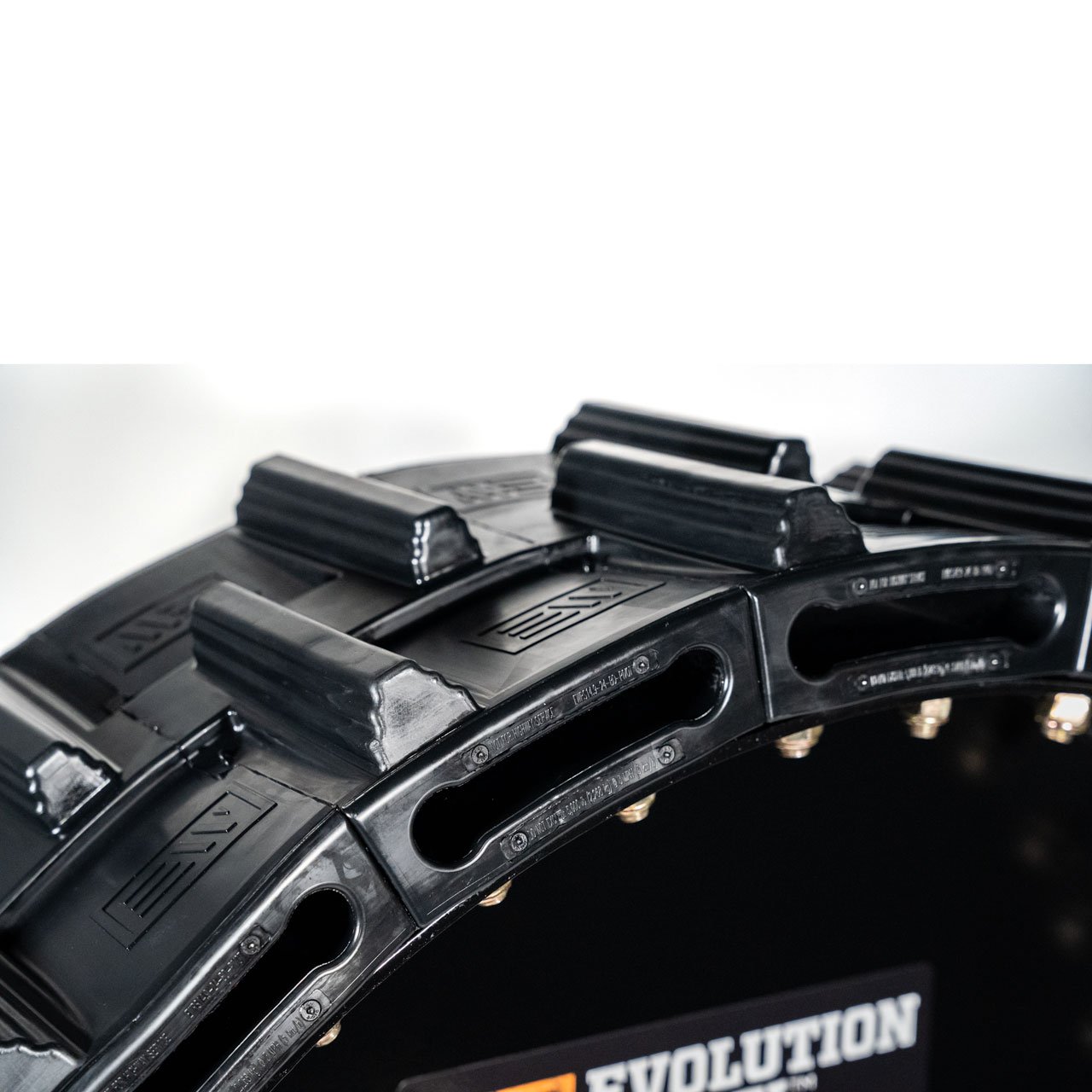
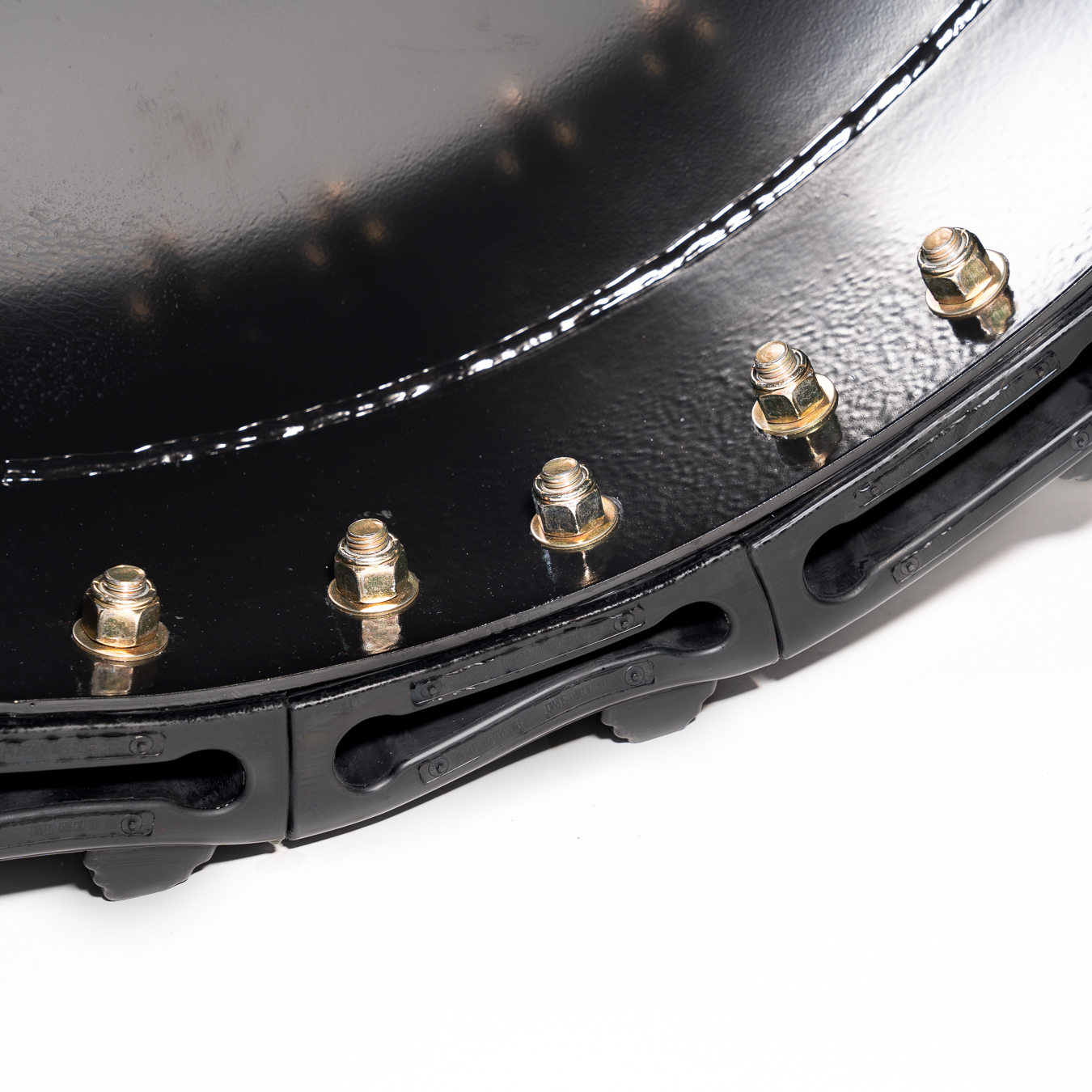
The EWRS-PIVOT’s high-quality rubber has UV protection, and the rims are made with high-strength steel that will last a lifetime. It is also a segmented tire. Each segment is attached to the rim with ¾” nuts. This allows you to service the tire and easily replace a segment when it’s damaged. The rubber on our tires will last 2-3 times the life span of your traditional irrigation system, without the risk of going flat.
The EWRS-PIVOT airless field sprinkler irrigation tire is engineered to solve the problems that farmers face when it comes to field sprinklers while not creating new ones. The unique design is a cost-effective problem-solving solution allowing you to trust your irrigation tires not to fail on you.



EWRS-PIVOT SERIES
The EWRS-PIVOT series of airless pivot tires from Evolution Wheel offers the most advanced airless technology to the irrigation market. This solution delivers serviceability, traction, and floatation into one impressive offering.
Our tread design and tire profile offer greater traction through mud and obstacles. The unique concave contact face helps eliminate rutting by keeping dirt under the tire, where it belongs. The face of the tire is pointed inwards. Compared to typical pneumatic irrigation tires which convex shape push mud out from under the tire, causing ruts.
Our proprietary segmented design bolts onto our high strength wheel, allowing you the ability to service the tire quickly, eliminating the need to change a tire in the field.
Unlike other airless pivot tires, the EWRS-PIVOT compresses flat pushing material out, it's a self-cleaning system. The compressed cores elongate the footprint of the tire allowing it to wrap over obstacles increasing traction and reducing ground pressure.
Related Pages
If this page was informative, check these out:
