
Why Go Airless With Your Valley Center Pivot Irrigation System
Common issues with pneumatic pivot tires
- Flat tires
- Rutting
- Traction
Most people who use center-pivot irrigation systems operate the system with pneumatic tires. Pneumatic pivot tires are designed to compress providing traction on the ground, making them easier on the gearbox than most airless tires. The issue is that they deteriorate in harsh conditions, go flat, and cause damage when they don’t work properly.
Flat Tires
Flat tires are a headache. Understandably so. Due to the harsh conditions these tires operate in, it is very common to see the rubber deteriorate before the tread wears out, drastically lowering their life spans. When these pivot tires go flat, they fill with mud and water weighing down your valley pivot irrigation system and can pull your towers out of alignment, causing more damage.
When a tire does go flat you have to go into the field take the tire off and replace it, then haul it off the field. This takes time, causes downtime on the system and the expenses just pile on top of each other.
Rutting
Rutting is also a common issue with pneumatic pivot tires. Rutting is caused when continuous travel occurs over the same track, creating a cavern. This causes soil and crop damage, additional damage to tires, and system stoppages due to getting stuck.
Traction
Traction is also a common problem many farmers face. When there is an incline your system must climb, and your pivot tires are flat or their tread is filled with mud, it becomes hard to climb over. This causes additional stress on the driving components and additional damage to your system that is expensive to repair.
The EWRS-PIVOT Airless Pivot Tire
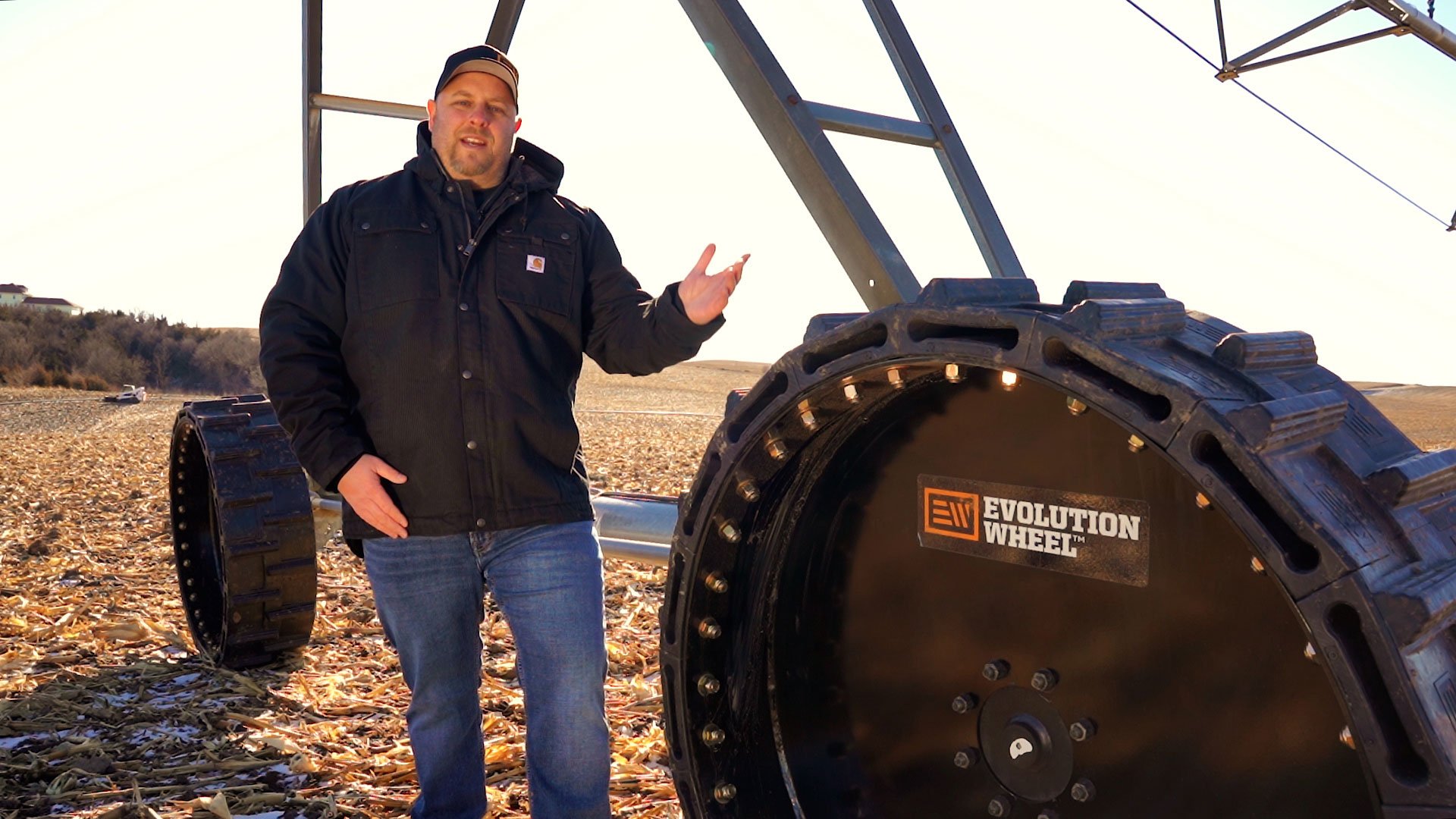
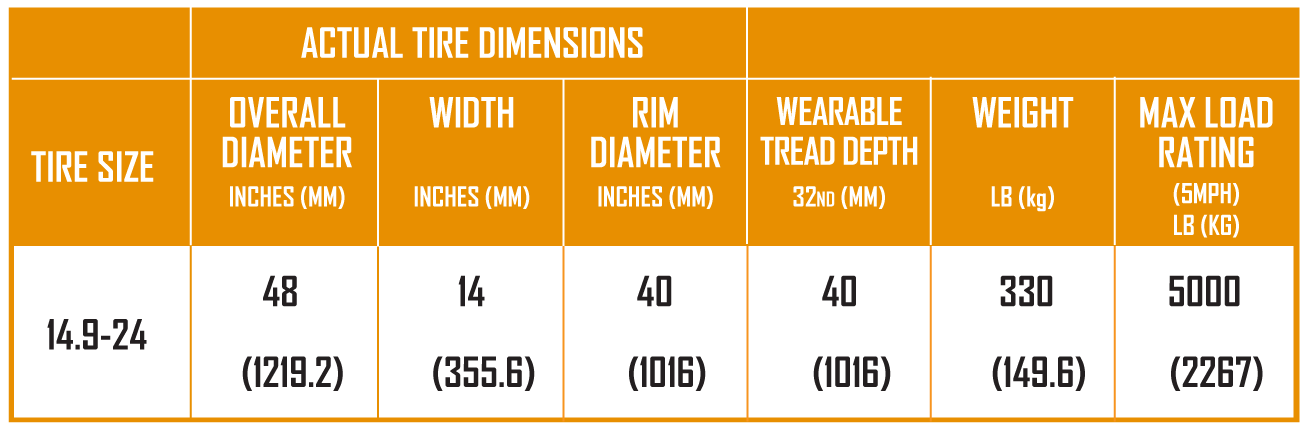
The EWRS-PIVOT airless center pivot irrigation tire solves all these issues. It is engineered specifically to mimic a pneumatic pivot tires compression, a wide true to spec 14.9” x 24” profile to increase traction, and a concave profile that increases floatation while preventing rutting.
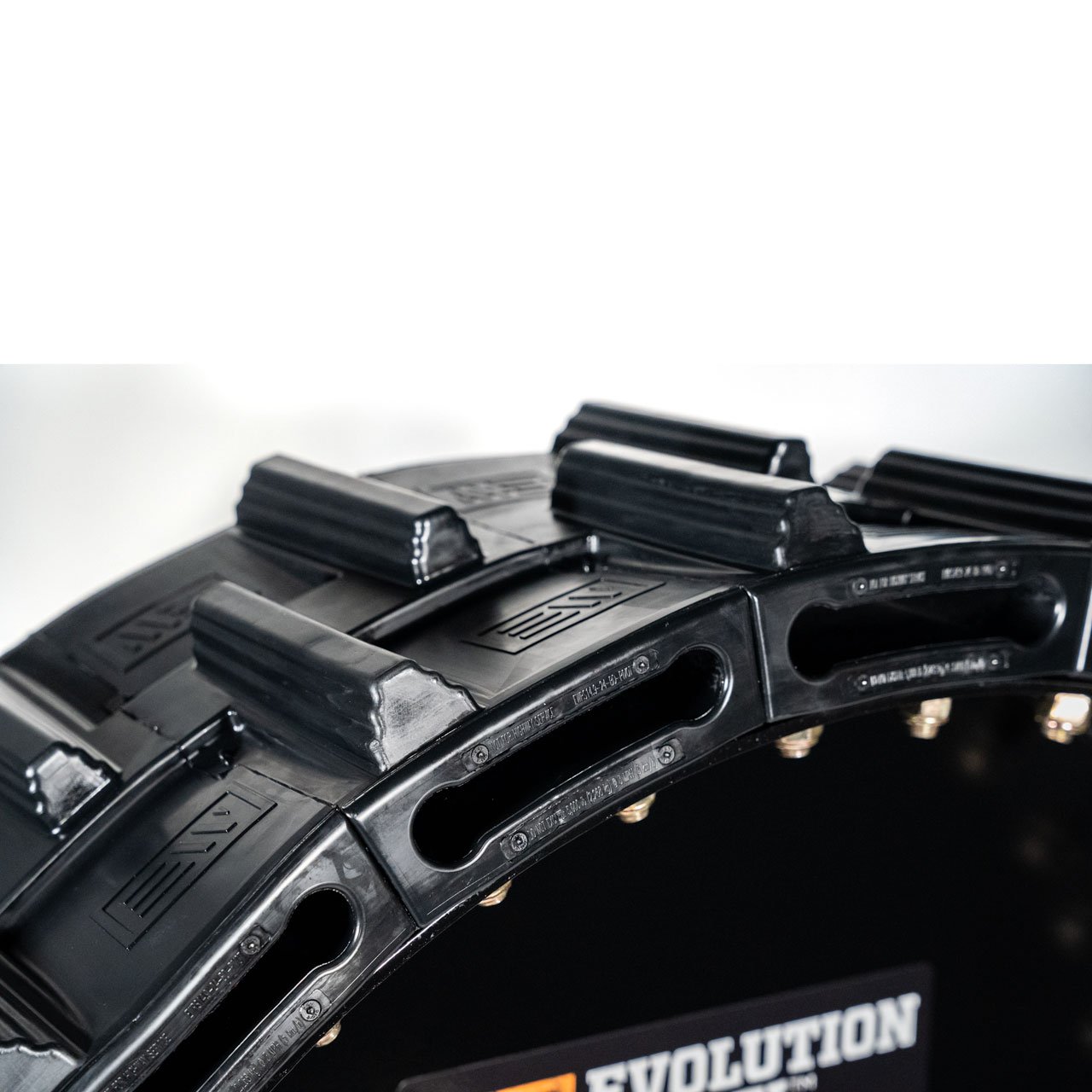
The EWRS-PIVOT has a unique core hole geometry that compresses completely when pressure is applied. This allows the tire to compress like a pneumatic mimicking its traction as well as being self-cleaning, so you don’t have to worry about added weight to the system.
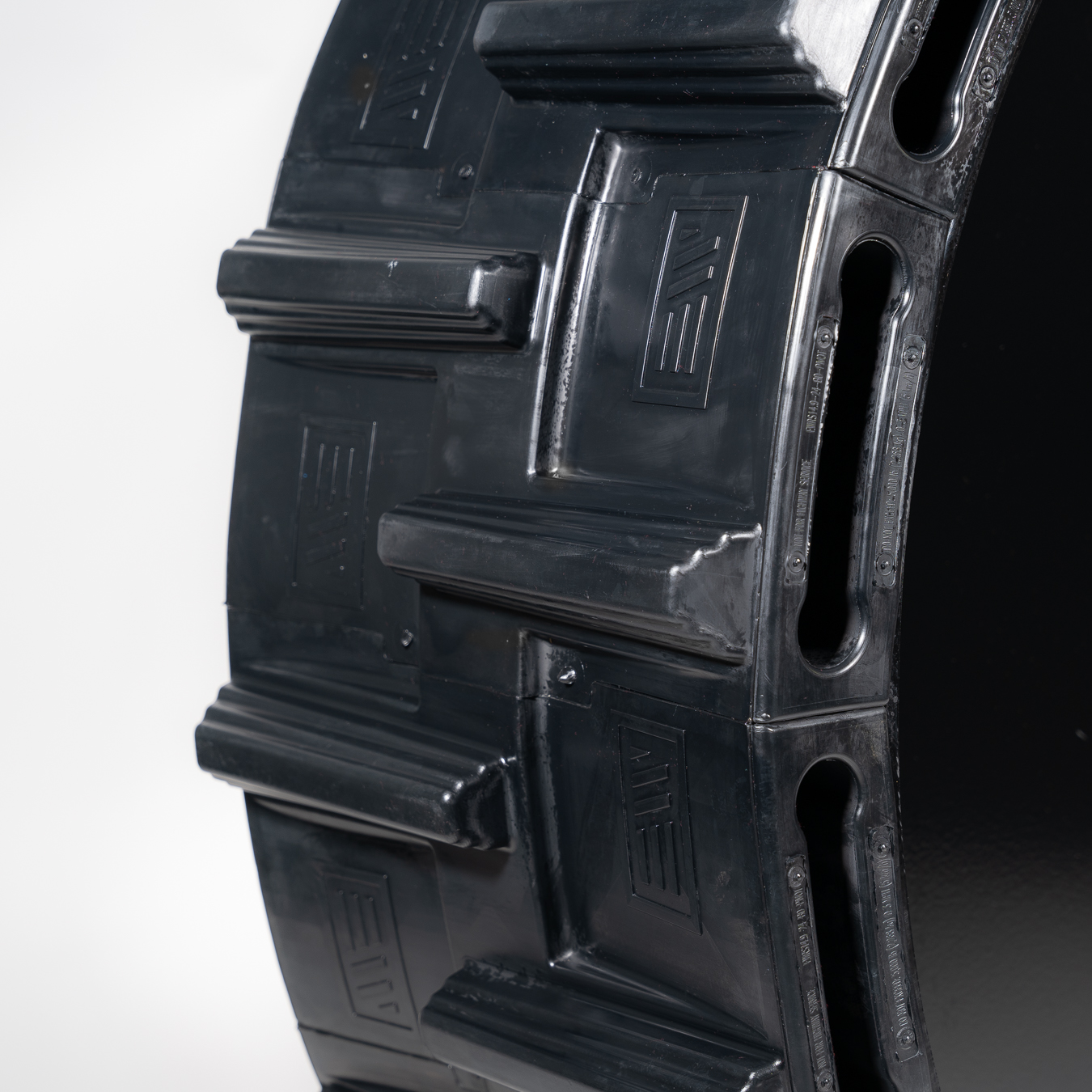
The concaved true to spec 14.9” X 24” profile keeps mud underneath the tire, spreads the weight over an increased surface area, and the aggressive tire tread pattern increases overall floatation and traction.
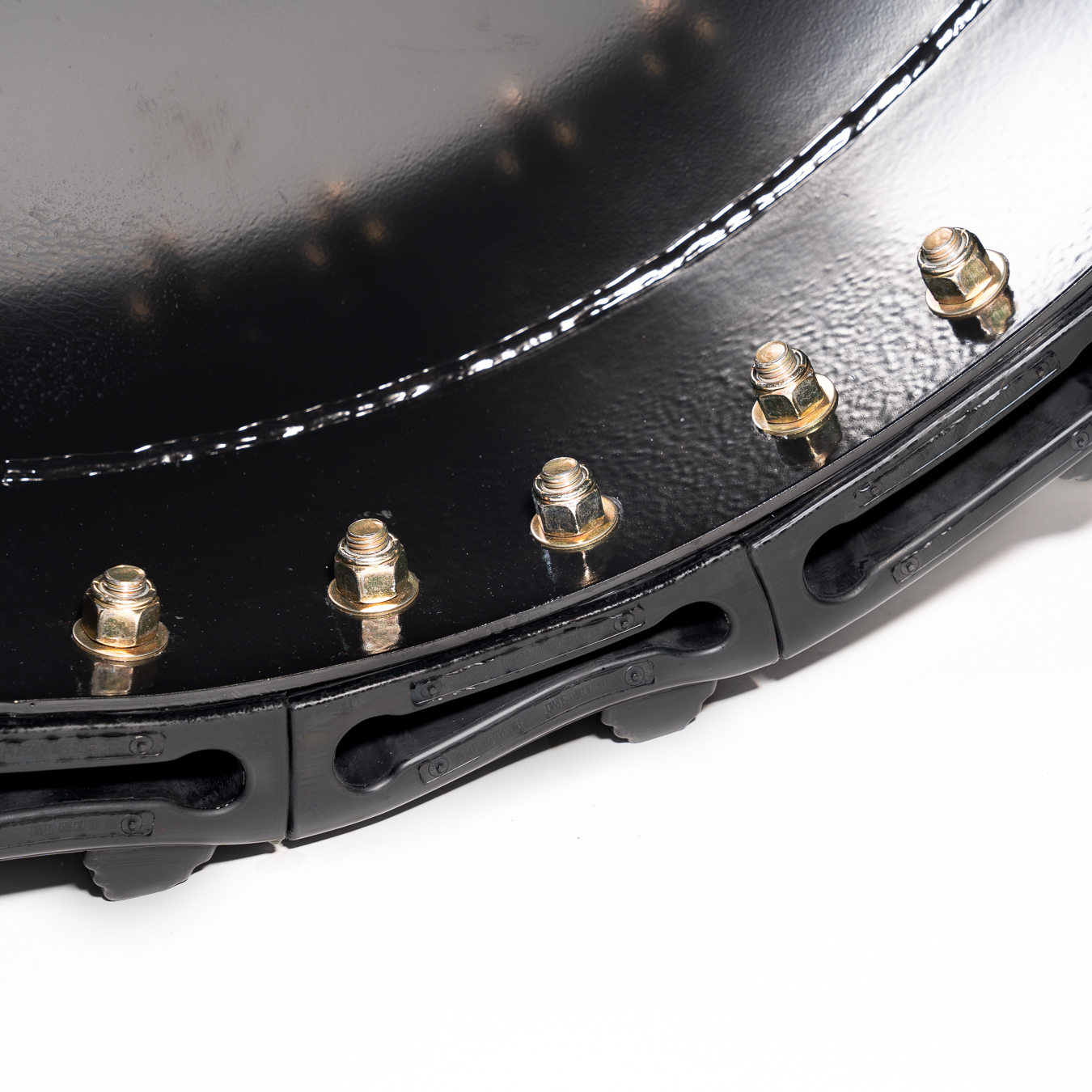
The EWRS-PIVOT’s high-quality rubber has UV protection, and the rims are made with high-strength steel that will last a lifetime. It is also a segmented tire. Each segment is bolted onto the rim so all you need is a 3/4" socket to service the tire when it’s damaged. The rubber on our tires will last 2-3 times the life span of your traditional center pivot irrigation system, without the risk of going flat.
The EWRS-PIVOT airless center pivot irrigation tire is engineered to solve the problems that farmers face when it comes to irrigation systems while not creating new ones. The unique design is a cost-effective long-lasting solution allowing you to trust that your equipment won't fail on you.



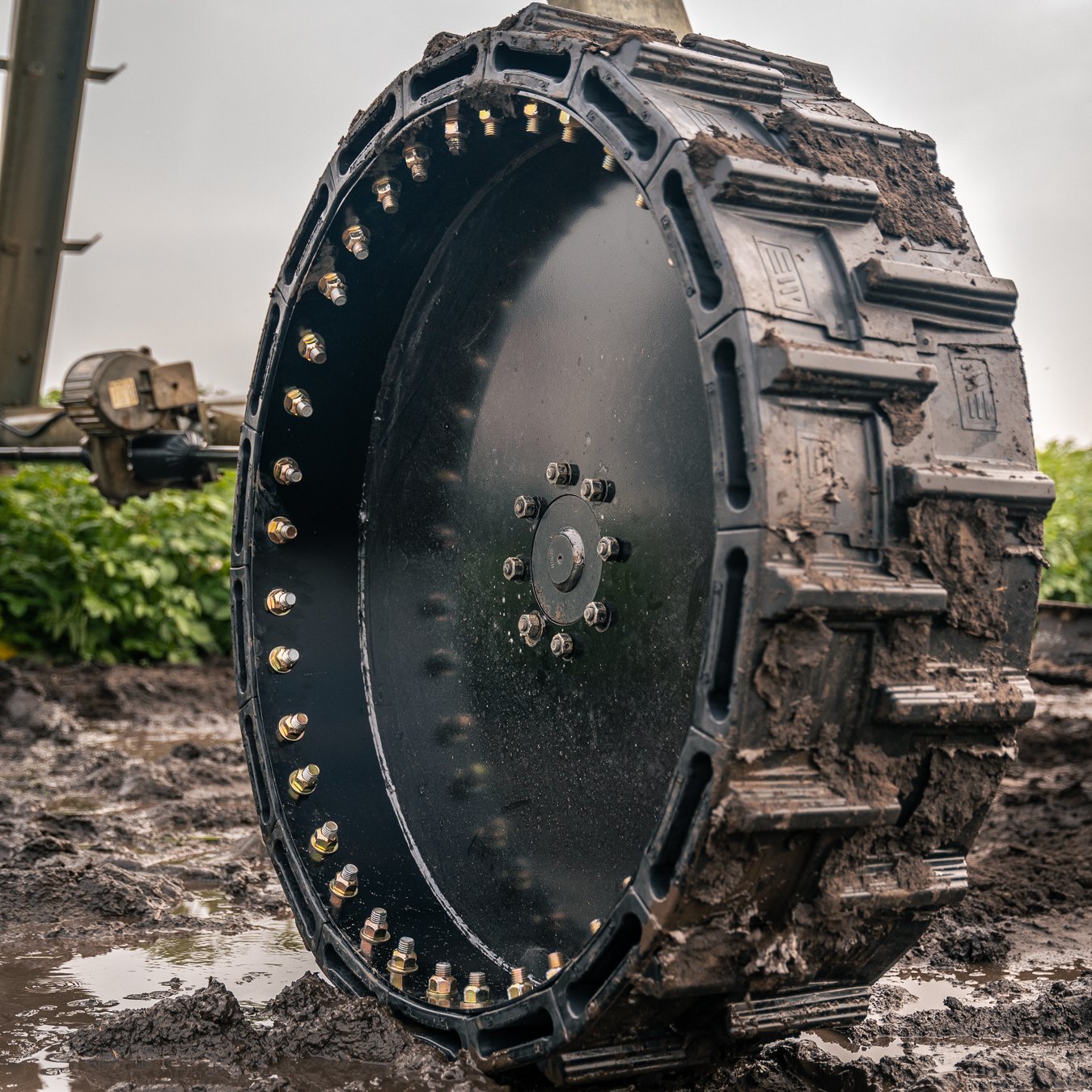
EWRS-PIVOT SERIES
The EWRS-PIVOT series of airless pivot tires from Evolution Wheel offers the most advanced airless technology to the irrigation market. This solution delivers serviceability, traction, and floatation into one impressive offering.
Our tread design and tire profile offer greater traction through mud and obstacles. The unique concave contact face helps eliminate rutting by keeping dirt under the tire, where it belongs. The face of the tire is pointed inwards. Compared to typical pneumatic irrigation tires which convex shape push mud out from under the tire, causing ruts.
Our proprietary segmented design bolts onto our high strength wheel, allowing you the ability to service the tire quickly, eliminating the need to change a tire in the field.
Unlike other airless pivot tires, the EWRS-PIVOT compresses flat pushing material out, it's a self-cleaning system. The compressed cores elongate the footprint of the tire allowing it to wrap over obstacles increasing traction and reducing ground pressure.
Related Pages
If this page was informative, check these out:
